
Exploring the Kamakhya Temple and Ambubachi Mela: A Cultural Expedition
Preeti Sinha
7/8/20264 min read
The Spiritual Energy of Nilachal Hill
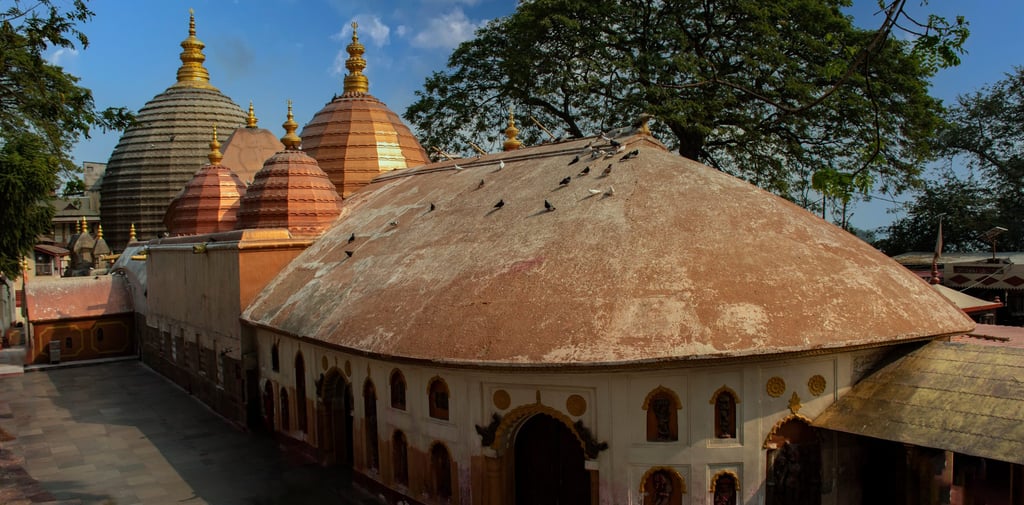
The Kamakhya Temple is situated on the picturesque Nilachal Hill, overlooking the mighty Brahmaputra River in Guwahati. The hill itself is considered sacred and is believed to radiate powerful spiritual vibrations. Pilgrims often describe a sense of peace and positive energy as they ascend the hill, surrounded by lush greenery and panoramic views of the city.
Beyond the main shrine, Nilachal Hill is home to several smaller temples dedicated to different manifestations of Goddess Shakti and Lord Shiva. These include temples of Tara, Bhuvaneshwari, Chhinnamasta, Bagalamukhi, Dhumavati, Bhairavi, and Tripura Sundari. Visiting these shrines is considered an important part of the pilgrimage, especially for devotees following the traditions of Shaktism and Tantra.
Kamakhya Temple: A Prominent Shakti Peetha
Kamakhya Temple is one of the most revered among the 51 Shakti Peethas scattered across the Indian subcontinent. According to Hindu tradition, each Shakti Peetha marks the place where a part of Goddess Sati's body fell after Lord Vishnu used his Sudarshan Chakra to end Lord Shiva's grief following Sati's self-immolation.
Kamakhya is believed to be the place where the Goddess's yoni (womb and creative power) fell, making it a unique symbol of creation, fertility, and feminine energy. This sacred association distinguishes the temple from many other pilgrimage sites and has made it a center of devotion for centuries.
The Sacred Symbolism of the Yoni
One of the most remarkable aspects of Kamakhya Temple is the absence of a traditional idol. Instead, devotees worship a naturally formed rock fissure that is continuously bathed by an underground spring.
This sacred representation carries profound symbolism. It reflects the idea that all life emerges from the divine feminine and that creation itself is sacred. The flowing spring is seen as a symbol of purity, abundance, and the eternal cycle of life.
For many devotees, this form of worship emphasizes respect for womanhood and the life-giving power of nature rather than focusing on physical representations of the divine.
Ambubachi Mela: A Celebration of Mother Earth
While Ambubachi Mela is associated with Goddess Kamakhya's annual menstrual cycle, it also represents the fertility of Mother Earth.
The festival coincides with the arrival of the monsoon season in Assam. As the rains nourish the soil, the Earth prepares for a new agricultural cycle. This natural transformation is celebrated as a reminder that fertility, growth, and renewal are essential aspects of life.
Traditionally, many farming communities refrain from ploughing or sowing during the three days when the temple remains closed, believing that the Earth, like the Goddess, deserves rest before beginning another season of creation.
A Gathering of Mystics and Spiritual Seekers
Ambubachi Mela transforms Kamakhya Temple into one of the largest spiritual gatherings in India. Ascetics, saints, monks, yogis, and pilgrims from across the country converge on Nilachal Hill.
Among the visitors are practitioners of various spiritual traditions, including Tantric sadhus, Naga ascetics, Aghori practitioners, Vaishnav monks, and devotees of Goddess Shakti. Their presence creates a vibrant atmosphere of spiritual discussions, meditation, devotional singing, and ritual practices.
For many visitors, the mela offers a rare opportunity to witness diverse spiritual traditions and engage with practitioners who spend much of the year in remote places of meditation.
Cultural Significance of Ambubachi Mela
Beyond its religious importance, Ambubachi Mela is a vibrant cultural event that reflects the rich heritage of Assam. Temporary markets spring up around the temple, offering traditional Assamese handloom products, bamboo crafts, jewelry, spiritual books, local snacks, and souvenirs.
Folk music, devotional chants, and cultural performances add to the festive atmosphere. Local communities warmly welcome pilgrims, creating a spirit of hospitality and unity that enriches the overall experience.
The festival also contributes significantly to the local economy, supporting artisans, vendors, transport providers, hotels, and small businesses.
Respecting Menstruation Through Faith
One of the most meaningful messages of Ambubachi Mela is its positive perspective on menstruation. In a world where menstrual health is still surrounded by myths and stigma in many places, the festival serves as a reminder that menstruation is a natural and life-giving process.
By honoring Goddess Kamakhya during this time, the festival encourages respect for women's bodies and acknowledges the essential role of feminine biology in sustaining life. This perspective has inspired many scholars and social commentators to view the festival as an example of how ancient traditions can promote dignity and respect for women.
Festivals Celebrated at Kamakhya Temple
Although Ambubachi Mela is the temple's most famous event, several other festivals are celebrated throughout the year with great devotion.
These include Durga Puja, Navratri, Manasha Puja, Vasanti Puja, and Madandeul Festival. Each festival attracts large numbers of devotees and showcases the rich spiritual traditions associated with the temple.
Accommodation Near Kamakhya Temple
Pilgrims have a wide range of accommodation options in Guwahati, from budget guesthouses and dharamshalas to luxury hotels. Many religious organizations also provide affordable lodging during major festivals.
Since Ambubachi Mela attracts hundreds of thousands of visitors, it is advisable to book accommodations several months in advance. Staying near the temple or along well-connected routes can make travel more convenient during the busy festival period.
Responsible Tourism Tips
Visitors can help preserve the sanctity of Kamakhya Temple by following a few simple practices:
Dress modestly and respect local customs.
Avoid littering and use designated waste bins.
Follow temple rules regarding photography.
Be patient during long queues, especially during festivals.
Support local artisans by purchasing authentic handmade products.
Respect the privacy and practices of devotees, monks, and ascetics.
Carry reusable water bottles and avoid single-use plastics whenever possible.
Responsible tourism ensures that this sacred site remains clean and welcoming for future generations.
Why Every Spiritual Traveler Should Visit Kamakhya Temple
Whether you are a devotee, a history enthusiast, a student of Indian culture, or simply a curious traveler, Kamakhya Temple offers an experience unlike any other. Its combination of mythology, architecture, spirituality, and living traditions creates an atmosphere that is both deeply reflective and culturally enriching.
The temple invites visitors to contemplate the cycles of life, the sacredness of creation, and the enduring significance of feminine power in Hindu philosophy. Combined with the vibrant celebrations of Ambubachi Mela, a visit to Kamakhya Temple becomes more than a pilgrimage—it becomes a journey into one of India's oldest and most profound spiritual traditions.