
Sacral Chakra Secrets: The Hidden Language of Emotion, Creativity, and Desire
Preeti Sinha
6/27/20263 min read

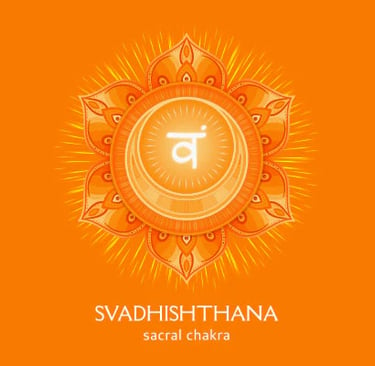
The sacral chakra is often described as the “center of creativity,” but that phrase barely scratches the surface. In many Eastern spiritual traditions, especially within yogic and tantric frameworks, this energy center is seen as the seat of emotional intelligence, pleasure, intimacy, and the way we relate to both ourselves and others.
When the sacral chakra is balanced, life feels fluid, expressive, and emotionally alive. When it’s blocked or overstimulated, things can feel stuck, chaotic, or emotionally overwhelming. Understanding its deeper “secrets” isn’t about mysticism alone—it’s about learning how your emotional and creative systems actually function.
Where the Sacral Chakra Lives in You
The sacral chakra (often called Svadhisthana) is traditionally located just below the navel, in the lower abdomen. It is associated with:
Emotions and emotional regulation
Creativity and artistic expression
Pleasure and sensual experience
Relationships and intimacy
Desire, motivation, and flow
Think of it as your internal water system—constantly moving, shaping, and adapting. Like water, it can nourish life or become stagnant if blocked.
Secret 1: Emotions Are Meant to Move, Not Stay
One of the biggest misunderstandings about emotions is the belief that they should be controlled or suppressed. The sacral chakra teaches the opposite: emotions are energy in motion.
When this chakra is healthy, emotions rise, peak, and naturally dissolve. You feel sadness, joy, anger, or excitement—but none of them get “stuck” in your system.
When blocked, emotions tend to:
Linger longer than necessary
Resurface unpredictably
Feel overwhelming or numbed out
The “secret” here is simple but powerful: emotional healing is less about control and more about allowing movement.
Secret 2: Creativity Is Not a Talent—It’s a Flow State
Many people assume creativity belongs only to artists, musicians, or writers. In sacral chakra philosophy, creativity is much broader. It includes:
Problem-solving
Cooking
Dancing
Parenting
Business innovation
Even how you decorate your space
When your sacral chakra is open, creativity feels effortless—not forced. Ideas come naturally, and expression feels enjoyable rather than stressful.
A blocked sacral chakra, on the other hand, often shows up as:
Creative burnout
Fear of judgment
Perfectionism
“I’m not creative” beliefs
The deeper truth? Creativity is your natural state when emotional energy is flowing freely.
Secret 3: Pleasure Is a Form of Intelligence
Modern culture often separates pleasure from productivity, but the sacral chakra doesn’t. It recognizes pleasure as a guide.
Pleasure isn’t just indulgence—it’s feedback. It tells you:
What feels right for your body
What environments nourish you
What relationships feel safe
What choices align with your emotional truth
When you disconnect from pleasure, life can feel mechanical. When you reconnect, even simple experiences—food, music, movement, conversation—become deeply satisfying.
The sacral chakra teaches that pleasure is not a distraction from life; it is a signal of alignment with life.
Secret 4: Boundaries and Flow Must Coexist
A common misconception is that “flow” means lack of structure. In reality, healthy sacral energy requires both openness and boundaries.
Too much rigidity leads to emotional suppression. Too much openness leads to emotional chaos.
Balanced sacral energy looks like:
Saying yes when something feels right
Saying no when something feels off
Knowing your emotional limits
Allowing intimacy without losing yourself
Without boundaries, emotional energy spills outward. Without flow, it becomes stagnant. The secret is balance—not extremes.
Secret 5: Your Relationships Mirror Your Inner Waters
The sacral chakra is deeply connected to how you experience intimacy—not just romantic, but all forms of emotional connection.
Patterns such as:
Fear of abandonment
Emotional dependency
Avoidance of closeness
Repeating unhealthy relationship cycles
are often signs of sacral imbalance.
In many yogic teachings, relationships act like mirrors. They reflect how comfortably you sit with your own emotional world. Healing this chakra often transforms not just one relationship, but your entire relational pattern.
Practices to Awaken the Sacral Chakra
You don’t “fix” the sacral chakra—you restore its flow. Here are practical ways people often work with it:
1. Movement-based practices
Yoga styles that emphasize hip-opening poses, like hip circles, lunges, and gentle flow sequences, help release stored emotional tension.
2. Water connection
Spending time near rivers, oceans, or even mindful baths can help restore a sense of emotional fluidity.
3. Creative expression without judgment
Draw, write, dance, or sing without trying to be “good.” The goal is expression, not performance.
4. Emotional tracking
Instead of suppressing feelings, name them. “I feel tension,” “I feel excitement,” or “I feel uncertain.” Naming creates movement.
5. Breath and lower abdomen awareness
Slow breathing directed into the lower belly helps reconnect you with the physical center of this chakra.
What Balanced Sacral Energy Feels Like
When the sacral chakra is in harmony, people often report:
Emotional resilience without numbness
Healthy desire and motivation
Natural creativity and inspiration
Comfort with intimacy and connection
A sense of being “in flow” with life
Life doesn’t become perfect—but it becomes more fluid, expressive, and emotionally honest.
The sacral chakra is not just a spiritual idea—it’s a framework for understanding emotional and creative life. Whether or not you view it symbolically or energetically, its core message remains relevant: emotions need movement, creativity needs freedom, and pleasure is a form of guidance.
The real “secret” of the sacral chakra isn’t hidden knowledge. It’s remembering something most people forget: you are meant to feel, create, connect, and flow—not just survive, but experience life fully.