
Pukhraj Stone: The Golden Gem of Wisdom, Prosperity, and Tradition
Preeti Sinha
4/17/20264 min read
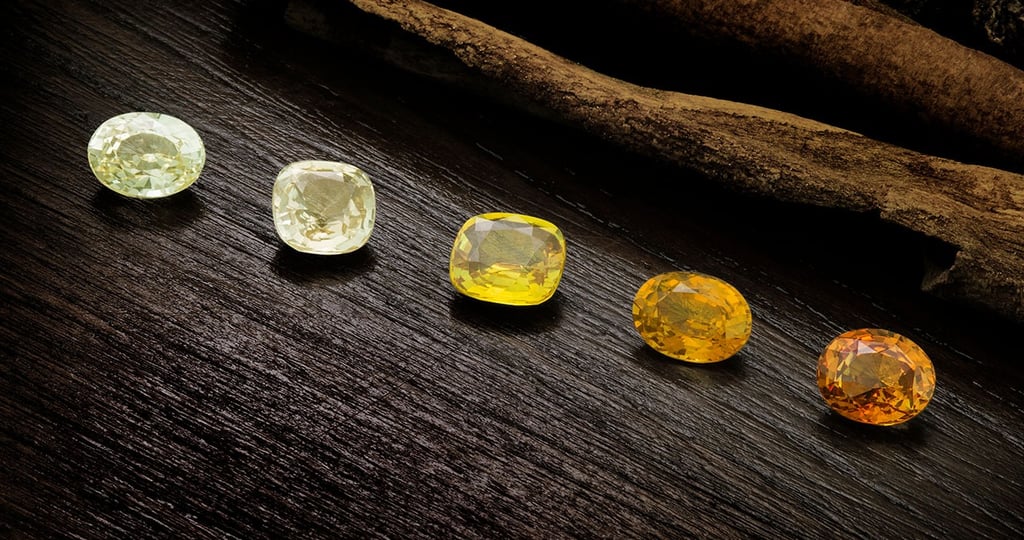
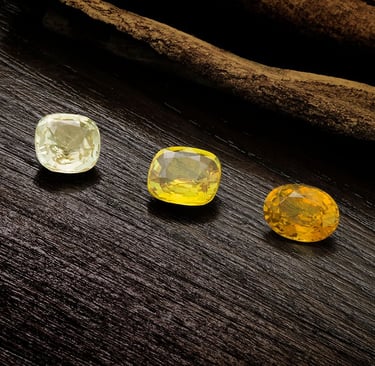
Among the many gemstones that have fascinated humanity for centuries, the Pukhraj stone, also known as the Yellow Sapphire, holds a special place—particularly in South Asian culture. Revered for its radiant golden hue and deeply rooted in astrology, spirituality, and luxury, Pukhraj is far more than a beautiful gem. It represents wisdom, prosperity, good fortune, and divine blessings.
From ancient royal courts to modern jewelry collections, the appeal of Pukhraj has remained remarkably consistent. Its soft yellow glow carries both aesthetic charm and symbolic depth, making it one of the most sought-after gemstones in the world. To truly understand the significance of Pukhraj, one must explore its origins, meanings, uses, and enduring relevance.
What is Pukhraj?
Pukhraj is the Hindi name for Yellow Sapphire, a variety of the mineral corundum, which also includes rubies and blue sapphires. Its striking yellow color comes from trace elements of iron within the crystal structure. The shade can range from pale lemon yellow to a deep golden or honey tone, with the most valuable stones displaying a bright, vibrant yellow with excellent clarity.
In gemology, Yellow Sapphire is prized for its durability, ranking 9 on the Mohs scale of hardness, just below diamonds. This makes it an excellent choice for everyday jewelry, especially rings.
Historical and Cultural Significance
The history of Pukhraj stretches back thousands of years. In ancient civilizations, yellow gemstones were often associated with the sun, representing life, energy, and divine power.
In Indian culture, Pukhraj has long been considered one of the most auspicious gemstones. It is closely linked with Vedic astrology, where it is associated with the planet Jupiter (Guru)—the largest and one of the most beneficial planets in the astrological system. Jupiter symbolizes wisdom, knowledge, wealth, and spiritual growth.
Kings, scholars, and spiritual leaders were believed to wear Pukhraj to enhance their intellect, attract prosperity, and gain divine favor. Even today, it is commonly recommended by astrologers for individuals seeking success in education, career, marriage, and finances.
Astrological Importance
In Vedic astrology, gemstones are believed to influence the energy fields of individuals by strengthening or balancing planetary influences. Pukhraj is worn to strengthen Jupiter, which governs:
Wisdom and knowledge
Wealth and financial stability
Marriage and relationships
Spiritual growth
Good fortune and luck
People with a weak or negatively placed Jupiter in their birth chart are often advised to wear Pukhraj to enhance positive outcomes.
Traditionally, the stone is worn on the index finger of the right hand, set in gold, and energized through specific rituals. It is usually recommended to wear it on a Thursday morning, which is considered the day of Jupiter.
While many people strongly believe in these benefits, it’s worth noting that astrological claims are not scientifically proven. However, the cultural and psychological significance of wearing such a gemstone can still be meaningful.
Sources and Origins
Some of the finest Pukhraj stones come from specific regions known for producing high-quality Yellow Sapphires:
Sri Lanka (Ceylon): Known for producing the most desirable stones with bright, clear yellow tones
Thailand: Offers a wide range of qualities, often slightly darker in color
Madagascar: An emerging source of high-quality sapphires
Australia: Produces stones with a greenish-yellow tint
Among these, Ceylon Pukhraj is considered the most valuable due to its superior clarity and vibrant color.
Quality and Value Factors
Like all gemstones, the value of Pukhraj depends on several factors:
Color:
The most important factor. A rich, bright yellow without brown or green undertones is highly prized.
Clarity:
High-quality Pukhraj stones are relatively free of visible inclusions. Greater transparency increases value.
Cut:
A well-cut stone enhances brilliance and color. Common cuts include oval, cushion, and emerald shapes.
Carat Weight:
Larger stones are rarer and more valuable, especially if they maintain good color and clarity.
Treatment:
Many Yellow Sapphires are heat-treated to improve color and clarity. Untreated stones are rarer and more expensive.
Pukhraj in Jewelry
Pukhraj is widely used in fine jewelry, especially in rings, pendants, and earrings. Its warm yellow tone pairs beautifully with gold, enhancing its natural radiance.
Astrological rings typically feature a simple design to allow maximum contact between the stone and the skin. In contrast, modern jewelry often incorporates diamonds or other gemstones for a more luxurious look.
Because of its durability, Pukhraj is suitable for daily wear, though it should still be handled with care to avoid scratches or damage.
Spiritual and Symbolic Meaning
Beyond astrology, Pukhraj carries broader symbolic meanings that resonate across cultures:
Wisdom and Clarity: Encourages clear thinking and sound decision-making
Prosperity: Associated with wealth and financial success
Harmony: Believed to improve relationships and marital happiness
Spiritual Growth: Enhances inner peace and connection to higher consciousness
Its golden hue is often linked to positivity, optimism, and enlightenment, making it a stone that represents both material and spiritual well-being.
Natural vs. Synthetic Stones
As demand for Pukhraj has grown, so has the availability of synthetic and treated stones. Lab-created Yellow Sapphires have the same chemical composition as natural ones but are produced in controlled environments.
While synthetic stones are more affordable and visually appealing, they lack the rarity and traditional significance of natural Pukhraj. For astrological purposes, many practitioners specifically recommend natural, untreated stones.
To ensure authenticity, buyers should seek certification from reputable gemological laboratories.
Caring for Pukhraj
Despite its hardness, Pukhraj requires proper care to maintain its brilliance:
Clean with mild soap and warm water using a soft brush
Avoid exposure to harsh chemicals
Store separately to prevent scratches from other gemstones
Remove jewelry during heavy physical activities
With proper care, a Pukhraj stone can last for generations, becoming a treasured heirloom.
Market Trends and Modern Appeal
In today’s global market, Pukhraj continues to be in high demand—not only for its astrological significance but also for its aesthetic appeal. Celebrities, collectors, and jewelry enthusiasts appreciate its vibrant color and timeless elegance.
There is also a growing interest in ethically sourced gemstones, prompting greater transparency in mining practices. Consumers are increasingly seeking stones that are responsibly sourced and environmentally sustainable.
Lab-grown alternatives are also gaining popularity among those who want a more affordable and eco-friendly option.
A Balanced Perspective
While Pukhraj is widely celebrated for its astrological benefits, it’s important to approach such claims with a balanced mindset. The gemstone’s true value lies in its beauty, history, and cultural significance.
For some, it serves as a symbol of faith and hope. For others, it is simply a stunning piece of jewelry. Both perspectives are valid, and the meaning of Pukhraj ultimately depends on the individual.
The Pukhraj stone is a remarkable blend of natural beauty, cultural heritage, and symbolic depth. Its golden glow has inspired admiration for centuries, representing everything from wisdom and prosperity to spiritual enlightenment.
Whether worn for its supposed astrological benefits or admired for its elegance, Pukhraj continues to hold a timeless appeal. It bridges the gap between tradition and modernity, offering something meaningful to everyone who encounters it.
In a world that constantly evolves, the enduring charm of Pukhraj reminds us of the lasting power of nature’s creations—simple, radiant, and full of meaning.