
Dewri Mandir, Ranchi: A Sacred Abode of Faith, History, and Tribal Heritage
Preeti Sinha
4/17/20265 min read
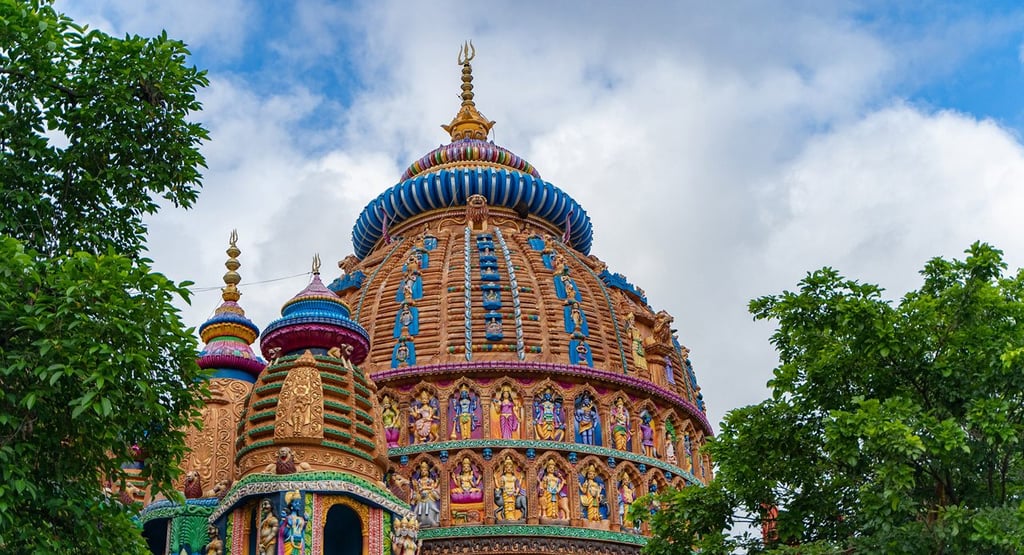
Nestled along the Ranchi–Jamshedpur highway, about 60 kilometers from Ranchi in the state of Jharkhand, Dewri Mandir stands as a remarkable symbol of devotion, cultural harmony, and ancient tradition. Dedicated to Goddess Durga, locally worshipped as Solha Bhuji Maa (the sixteen-armed goddess), this temple is not just a religious site—it is a living testament to the region’s tribal roots, spiritual depth, and historical continuity.
Dewri Mandir attracts thousands of devotees every year, including locals, tourists, and even prominent personalities. Yet beyond its growing popularity lies a quiet, enduring charm shaped by centuries of faith and tradition.
A Glimpse into History
The origins of Dewri Mandir are believed to date back to around 700 years ago, though some local accounts suggest it could be even older. Unlike many temples built under royal patronage, Dewri Mandir has strong connections with the tribal communities of Jharkhand, particularly the Munda tribe.
What makes this temple unique is that it is traditionally maintained and served by tribal priests known as “Pahans.” Even today, rituals are performed by these priests rather than Brahmin priests, highlighting a rare continuity of indigenous religious practices within a mainstream Hindu temple setting.
The temple stands as a powerful example of how tribal beliefs and Hindu traditions have blended seamlessly over time, creating a distinctive spiritual identity.
The Deity: Solha Bhuji Maa Durga
At the heart of Dewri Mandir is the idol of Goddess Durga with sixteen arms, which is quite rare. Most depictions of Durga show her with eight or ten arms, each symbolizing different powers. The sixteen-armed form represents an even greater manifestation of divine strength and protection.
The idol is made of stone and is believed to be self-manifested (Swayambhu), adding to its spiritual significance. Devotees believe that the goddess is highly powerful and responsive to prayers, particularly those related to protection, success, and personal challenges.
Many visitors come to seek blessings before important life events—exams, business ventures, marriages, or journeys—trusting in the goddess’s guidance.
Architectural Simplicity with Spiritual Depth
Unlike grand temples adorned with intricate carvings, Dewri Mandir is relatively simple in its architecture. Built primarily from stone, the temple reflects a rustic aesthetic that resonates with its tribal heritage.
The structure features a modest sanctum where the idol resides, along with a small courtyard for devotees. Over the years, renovations have added basic facilities to accommodate the growing number of visitors, but the temple has largely retained its original charm.
This simplicity is part of its appeal. There is a sense of authenticity and groundedness that allows visitors to connect more deeply with the spiritual atmosphere.
Tribal Influence and Cultural Significance
One of the most fascinating aspects of Dewri Mandir is its tribal connection. The temple is not just a place of worship but also a cultural landmark that reflects the traditions and beliefs of Jharkhand’s indigenous communities.
The Pahan priests play a central role in maintaining rituals that are rooted in tribal customs. Offerings often include flowers, coconuts, and traditional items, and the पूजा rituals are conducted in a manner that blends tribal practices with Hindu elements.
This coexistence of traditions makes Dewri Mandir a unique space where cultural boundaries dissolve, and spirituality becomes a shared experience.
Festivals and Celebrations
Dewri Mandir comes alive during major Hindu festivals, especially Navratri and Durga Puja. During these times, the temple परिसर is filled with devotees, vibrant decorations, and a festive atmosphere.
Navratri, in particular, holds special significance. Devotees gather in large numbers to offer prayers, participate in rituals, and seek the blessings of the goddess. The energy during these days is both intense and uplifting, reflecting deep devotion.
Other festivals like Diwali, Ram Navami, and local tribal celebrations are also observed with enthusiasm, further highlighting the temple’s inclusive nature.
A Popular Stop for Travelers
Due to its location along a major highway, Dewri Mandir has become a popular توقف point for travelers. People often stop here to offer prayers before continuing their journey, believing it ensures safety and success.
The temple gained wider recognition when Indian cricket captain MS Dhoni, a native of Ranchi, was frequently seen visiting it. His association brought national attention to the temple, attracting even more visitors from across the country.
Despite this increased popularity, the temple has managed to retain its peaceful and spiritual ambiance.
The Spiritual Experience
Visiting Dewri Mandir is not just about rituals—it’s about the experience. As you approach the temple, the sounds of bells, chants, and devotional songs create an atmosphere of reverence.
The scent of incense fills the air, and the sight of devotees offering prayers with folded hands evokes a sense of shared faith. Whether you are deeply religious or simply curious, the environment encourages reflection and calm.
There is something profoundly grounding about the place. Perhaps it’s the simplicity, the history, or the sincerity of devotion—but it leaves a lasting impression on visitors.
Local Beliefs and Faith
Like many ancient temples, Dewri Mandir is surrounded by local beliefs and stories. Devotees often share experiences of their wishes being fulfilled after praying to the goddess.
Some believe that tying a thread or making a vow at the temple can lead to positive outcomes. Others return to offer thanks after achieving their goals.
While such beliefs are based on faith rather than evidence, they form an integral part of the temple’s living tradition.
Accessibility and Facilities
Dewri Mandir is easily accessible by road from Ranchi and Jamshedpur. Regular buses, taxis, and private vehicles make it convenient for visitors to reach the temple.
In recent years, basic facilities such as parking, shops selling पूजा items, and small eateries have developed around the temple area. These additions make the visit more comfortable without significantly altering the temple’s character.
Early mornings and evenings are considered the best times to visit, as the weather is pleasant and the crowd is manageable.
Preserving Tradition in a Modern World
As Dewri Mandir continues to gain recognition, there is an ongoing effort to balance development with preservation. While improved infrastructure is necessary, maintaining the temple’s cultural and spiritual essence remains crucial.
The involvement of tribal priests and the continuation of traditional rituals play a key role in preserving its identity. It serves as a reminder that progress does not have to come at the cost of heritage.
Why Dewri Mandir Matters
Dewri Mandir is more than a place of worship—it is a symbol of unity in diversity. It represents the harmonious blending of tribal and Hindu traditions, showing how different cultural streams can coexist and enrich one another.
It also highlights the importance of local traditions in shaping India’s broader spiritual landscape. In a country known for its diversity, places like Dewri Mandir offer a glimpse into the depth and variety of religious expression.
Dewri Mandir in Ranchi is a place where faith, history, and culture come together in a quiet yet powerful way. Its simplicity, combined with its deep-rooted traditions, creates an experience that is both humbling and inspiring.
Whether you visit as a devotee, a traveler, or a curious observer, the temple offers something meaningful—a moment of peace, a sense of connection, or simply an appreciation for the richness of India’s cultural heritage.
In the end, Dewri Mandir is not just about rituals or beliefs. It is about the enduring human quest for meaning, protection, and hope—expressed through devotion that has stood the test of time.